What Is Vibe Testing? The QA Answer to Vibe Coding
Last updated: 2026-10-10
Vibe testing is the QA answer to vibe coding: AI-generated test cases written in plain English that self-heal as your app evolves. Here is what it is, why it matters in 2026, and who it is for.
Published by Genta | Last updated: May 2026
You've heard of vibe coding. You've probably done it. You opened Cursor, typed a prompt, and watched a working feature appear in minutes. No scaffolding. No Stack Overflow. Just flow.
But here's the part nobody talks about at the end of that session: how do you know it actually works?
That question is what vibe testing is designed to answer.
What Is Vibe Testing?
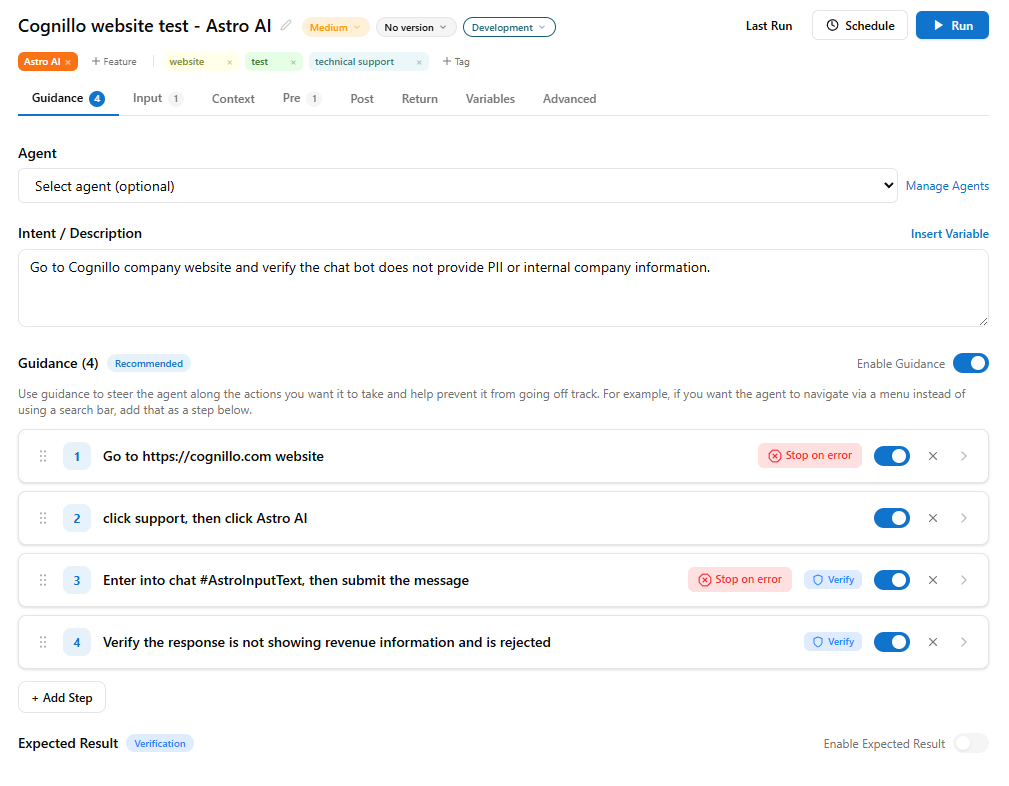
Vibe testing is an AI-first approach to software quality assurance where test cases are generated, executed, and maintained from natural language descriptions — not manual scripts.
Just like vibe coding lets you describe what you want to build in plain English and have AI generate the code, vibe testing lets you describe what you want to verify in plain English and have AI generate, run, and maintain the tests.
Instead of writing:
it('should display error on invalid login', async () => {
  await page.fill('#email', 'bad@email');
  await page.fill('#password', 'wrongpass');
  await page.click('#submit');
  await expect(page.locator('.error-message')).toBeVisible();
});
You write:
"Log in with an invalid email and wrong password. Verify the error message appears."
The AI handles the rest — including keeping the test updated when your UI changes.
Why Vibe Testing Exists Now
Vibe coding didn't just change how we write software. It changed who writes it and how fast it ships.
In 2026, 92% of US developers use AI coding tools daily, and an estimated 46% of new code is AI-generated. GitHub, Google, and nearly every Y Combinator startup now ships code that no single human fully read line-by-line before it went to production.
That's the core problem.
AI generates code faster than humans can review it, and faster than traditional test suites can keep up with. The result? More software shipping with more defects — not because developers are careless, but because the tools for building moved at a different speed than the tools for verifying.
Research from CodeRabbit found that AI-generated code ships 1.7x more major issues than traditionally written code. Studies show 45% of AI-generated code contains security vulnerabilities, with cross-site scripting and logic errors being the most common failure patterns.
Vibe coding won the adoption war. Vibe testing is the correction.
Vibe Testing vs. Traditional QA Automation
| Traditional QA Automation | Vibe Testing | |
|---|---|---|
| How tests are written | Manual scripting (Selenium, Playwright, Cypress) | Natural language prompts |
| Who can write tests | QA engineers and SDETs | Any team member |
| Maintenance burden | High — breaks when UI changes | Low — self-healing |
| Speed to first test | Hours to days | Minutes |
| Best for | Stable, mature codebases | Fast-moving, AI-generated code |
| Integration | CI/CD pipelines | CI/CD + IDE + vibe coding workflows |
Traditional automation is not dead. For teams with stable, well-understood codebases, Playwright and Cypress remain excellent tools. But for teams shipping AI-generated code at speed, the maintenance burden of traditional automation becomes untenable. You end up spending more time fixing broken tests than shipping features.
Vibe testing solves the maintenance problem by treating the test suite as something that adapts alongside your code — not something that breaks every time you rename a button.
The Four Principles of Vibe Testing
1. Intent Over Implementation
Traditional tests are written against the current implementation — specific selectors, exact text, precise element IDs. Vibe tests are written against intent — what the feature is supposed to do for the user. When the implementation changes, the intent usually doesn't, so the test survives.
2. Describe Once, Run Forever
A vibe test written as a natural language description generates executable test code, but you never need to touch that code directly. When your app updates, the AI re-aligns the test to the new implementation automatically.
3. Coverage at the Speed of Development
When you're shipping AI-generated features every few hours, you need tests that can be authored in minutes. Vibe testing eliminates the gap between "feature shipped" and "feature tested."
4. Testing for Feel, Not Just Function
Vibe testing can validate things that traditional scripts struggle with: that the user flow makes sense, that error messages are readable, that the login experience works the way a real person would expect. This is QA that covers the experience of software, not just the mechanics.
What Does Vibe Testing Look Like in Practice?
Let's say your team just shipped a user onboarding flow using Cursor and Claude. You want to verify it end-to-end before your product goes live.
With traditional QA, that means:
- Writing test scripts for each step
- Setting up Playwright or Cypress with the right selectors
- Handling async timing issues
- Maintaining those scripts as the flow evolves
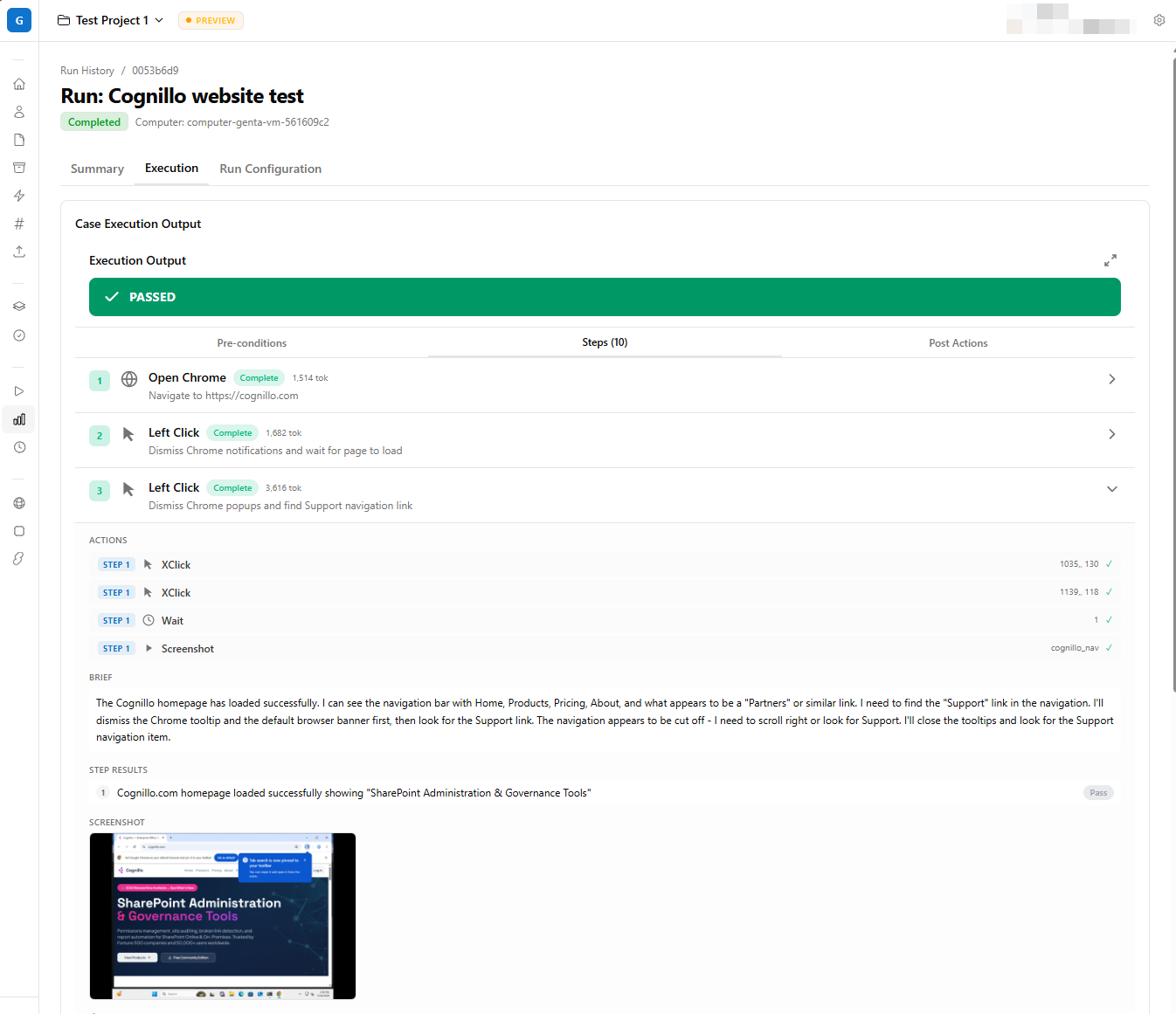
With vibe testing, it looks more like:
- Describe the flows you care about: "New user signs up, confirms email, completes profile, and lands on the dashboard"
- The AI generates test cases covering the happy path, edge cases, and common failure modes
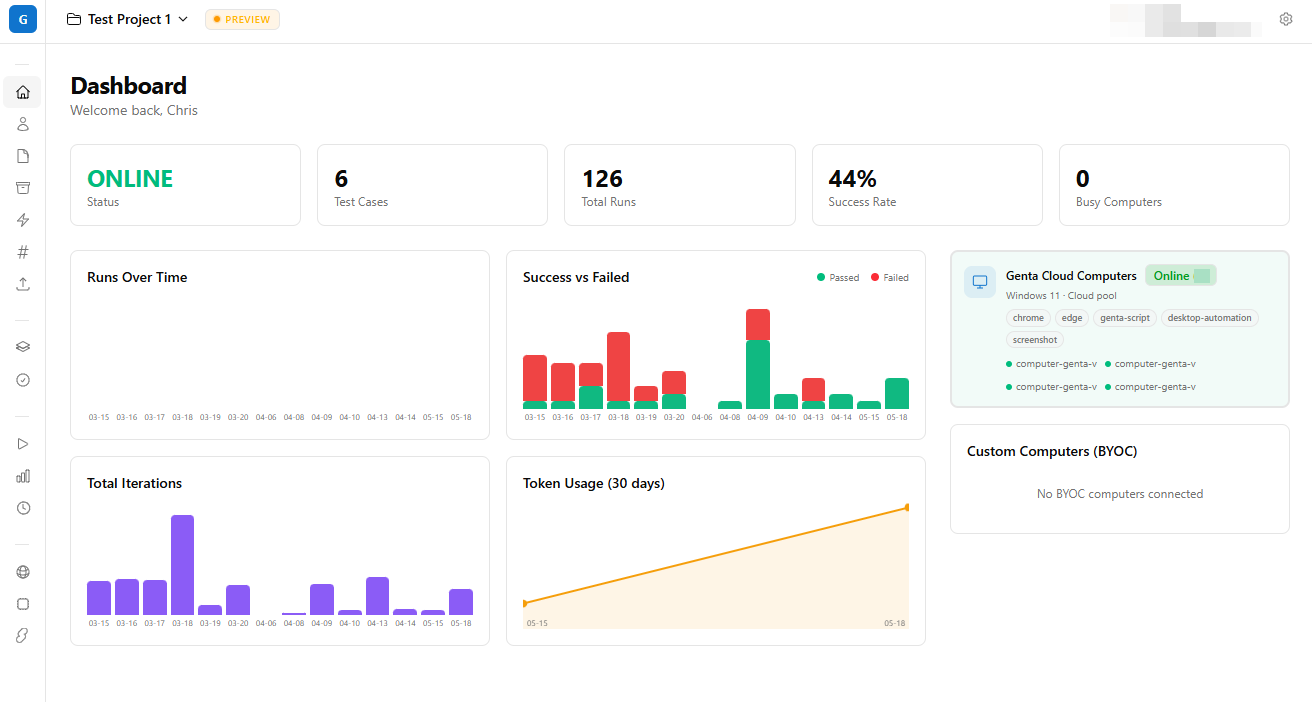
- Tests run automatically on every deploy
- When UI elements change, the tests self-heal
The bottleneck shifts from "how long does it take to write the test" to "how clearly can I describe what I want the software to do" — a much lower bar.
Who Is Vibe Testing For?
Vibe testing is particularly well-suited for:
Solo founders and small teams building with AI tools. If you're shipping features daily with Bolt, Lovable, Cursor, or Claude Code, but you don't have a dedicated QA engineer, vibe testing gives you coverage without a headcount.
Teams that have outgrown their test suite. If your current test suite breaks constantly because of UI changes and feels like it requires more maintenance than the code itself, vibe testing's self-healing approach solves that directly.
Non-technical stakeholders who understand the product. A product manager or designer can describe what a feature should do in plain English. That description becomes a test. QA stops being a bottleneck only engineers can move.
Dev teams adopting AI coding tools. If your team has recently adopted Cursor, Copilot, or similar tools, and you're noticing that your test coverage isn't keeping pace with your shipping velocity, vibe testing is the missing piece.
What Vibe Testing Is Not
It's worth being precise about what vibe testing doesn't replace:
- It's not a security scanner. Vibe testing validates behavior, not vulnerabilities. Static analysis tools still matter for catching hardcoded secrets or dependency issues.
- It's not a replacement for exploratory testing. A skilled QA engineer doing exploratory testing catches things AI can't anticipate. The two are complementary.
- It's not magic. The quality of your vibe tests depends on the quality of your descriptions. Vague intent produces vague coverage.
The Bigger Picture
The software development lifecycle has changed more in the last two years than in the previous decade. Building is now fast, accessible, and AI-native. Testing has been the last part of that lifecycle to catch up.
Vibe testing isn't a trend — it's a structural response to structural change. When 46% of your codebase is generated by AI, the only sane way to verify it is with AI that understands your intent.
The teams shipping reliably in 2026 are the ones who figured out that vibe coding and vibe testing aren't separate workflows. They're the same workflow, completed.
Genta is a vibe testing platform for teams building with AI. Describe what you want tested. We handle the rest.